
Boat Bird Dropping Removal Tampa
Boat bird dropping removal in Tampa that safely removes bird waste from hulls, decks, and seating to protect marine surfaces and restore a clean appearance.
FUN FACTS!: Your brain uses about 20% of your body’s total energy.
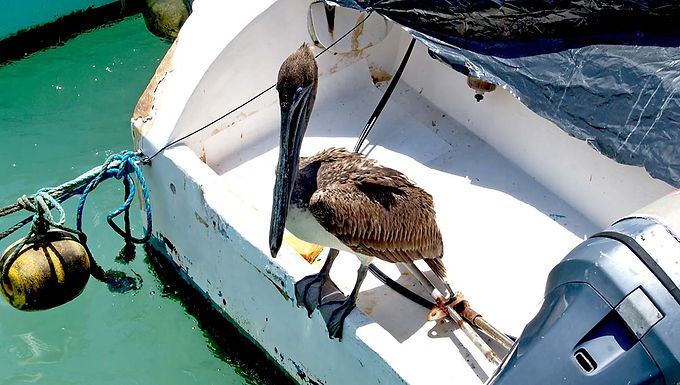
Pelican sitting on boat railing where bird dropping removal service is needed in Tampa
Boat Bird Dropping Removal Tampa
If your boat sits at a dock anywhere around Tampa Bay, birds are landing on it. Railings, radar arches, towers, bow, windshield frame, seats — anything elevated above the water becomes a perch. Leave your boat docked for a week near Davis Islands or any South Tampa marina and you'll come back to dried white streaks across the deck and seating that a rinse won't touch.
This is one of the most common issues we handle as part of our boat cleaning service in Tampa, and it's one most owners underestimate until the damage is already done.
Why This Isn't Just a Cosmetic Problem
Bird droppings contain uric acid and other corrosive compounds that react with surfaces when left untreated. On gelcoat — which is what most boat exteriors are made of — that acid begins breaking down the protective surface layer as soon as it dries. Gelcoat is porous at a microscopic level, which means the waste doesn't just sit on top. It seeps in, bonds to the resin, and starts degrading it from within.
When droppings dry in Tampa's heat and direct sunlight, the damage accelerates. Research has shown that the intensity of surface degradation from bird waste increases as temperatures rise, up to around 140°F — a number Tampa decks and hulls hit regularly in the summer months. That means a dropping that lands at 8 AM and sits through an afternoon of full sun isn't just staining your gelcoat. It's actively etching into it.
The longer it sits, the deeper it goes. Fresh droppings rinse off easily. Droppings that have baked on for days or weeks harden, bond to the surface, and leave behind staining, dull spots, or pitting that a garden hose and soap won't fix.
What Tampa Boat Owners Keep Getting Wrong
The most common mistake is scrubbing dried droppings off immediately with whatever's nearby — a rag, a brush, a paper towel. That's the fastest way to scratch your gelcoat. Dried bird waste is hardened organic material mixed with grit. Dragging it across the surface grinds it in instead of removing it.
The residue needs to be softened first. Marine-safe enzymatic cleaners break down the organic material so it can be lifted off the surface without scratching. Then the area needs to be rinsed thoroughly to remove any remaining acid traces before they continue reacting with the gelcoat.
This isn't scrubbing. It's chemistry. And getting it wrong means trading a bird stain for a scratch pattern — or worse, pushing the acid deeper into a surface that's already compromised.
Why Tampa Bay Makes This Problem Worse
Birds are drawn to boats because they're elevated resting spots above water. In Tampa Bay, where pelicans, gulls, cormorants, and ospreys fly constantly between open water, bridges, and marinas, your boat is a landing pad all day long.
Boats docked near Davis Islands, Hyde Park, South Tampa, Apollo Beach, and Riverview waterfront areas sit directly in bird flight paths. Birds perch on the same spots repeatedly — rails, towers, Bimini tops — which means droppings accumulate in concentrated areas. That concentrated buildup does more damage faster than scattered droppings because the acid compounds layer on top of each other before the previous deposit has been cleaned.
Add Tampa's daily cycle of heat, humidity, and afternoon rain, and you've got a perfect formula for accelerated surface damage. Rain doesn't wash droppings off — it just wets them enough to reactivate the acid before the sun bakes them back onto the surface again.
Signs Your Boat Needs Professional Bird Dropping Removal
You need this service if you're seeing white or chalky spots on the deck or hull that won't rinse off, dried residue caked onto seating, rails, or canvas, stains remaining after you've already tried washing, droppings accumulating while the boat sits docked between uses, or any discoloration or dull spots on gelcoat surfaces where birds have been landing.
If the stains have been there for weeks or longer, surface-level cleaning alone may not be enough. In some cases, the gelcoat needs to be lightly compounded and polished to remove etching that has already set in. That's not a DIY job — compounding gelcoat incorrectly removes more material than necessary and can make the damage worse.
How Professional Removal Works
The process starts with softening the dried deposits using marine-safe cleaning products designed to dissolve organic waste without damaging gelcoat, vinyl, metal, or canvas. Once the material is loosened, it's carefully lifted from the surface — not scrubbed or scraped. The area is rinsed thoroughly to remove all residue and acid traces. For boats with etching or staining that has penetrated the gelcoat, a light compound and polish stage restores the surface.
Every material on your boat — gelcoat, vinyl seating, aluminum rails, stainless hardware, canvas tops — reacts differently to bird waste and requires a different approach. Using the wrong product on the wrong surface causes more problems than the droppings themselves.
Keeping It Under Control Between Cleanings
You can reduce buildup with a few habits: rinse droppings as soon as you notice them, cover exposed surfaces when the boat isn't in use, check on the boat periodically while it's docked, and keep seating and rails wiped down. Bird droppings on a boat in Tampa are inevitable — but the damage from them isn't, as long as they're handled properly and promptly.
If you want to explore additional services to keep your vessel protected and maintained between uses, you can visit our main detailing page.
Bird droppings on a Tampa Bay boat aren't a minor inconvenience. They're an acidic, corrosive substance that damages gelcoat, vinyl, metal, and canvas — and Tampa's heat and sun make that damage happen faster. Professional removal protects your surfaces, restores your finish, and prevents small stains from turning into permanent damage.