
Boat Mold Removal Tampa
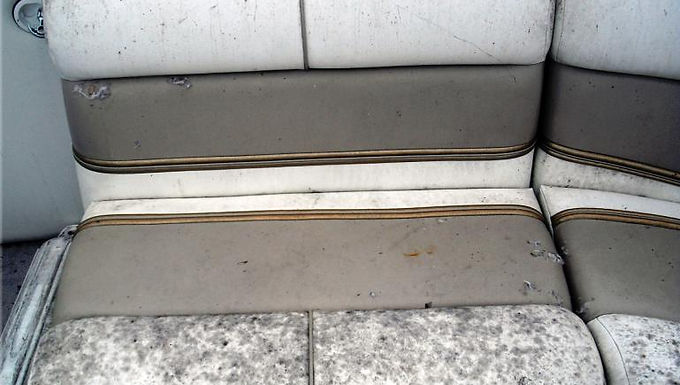
Boat mold removal in Tampa that eliminates mold growth from marine upholstery, compartments, and interior surfaces.
FUN FACTS!: A group of flamingos is called a flamboyance.
Boat Mold Removal Tampa
Florida ranks second in the nation for hazardous mold risk. There are over 900,000 registered boats in the state. Put those numbers together and the result is predictable — mold on boats is one of the most common and most serious maintenance problems boat owners in Tampa face. And most of them don't realize how dangerous it actually is until it's already spread.
Mold removal is a critical part of what we do as a boat detailing service in Tampa. Not because it looks bad — though it does — but because mold penetrates deeper, causes more damage, and creates more health risk than most boat owners understand.
Mold Is Not Mildew
Most boat owners use these words interchangeably. They shouldn't.
Mildew is early-stage fungal growth. It appears as a flat, powdery, white or gray layer on surfaces like vinyl and canvas. It sits on top of the material. It's unsightly and needs to be addressed, but it's relatively superficial and easier to remove.
Mold is different. Mold is darker — black, green, brown, sometimes yellow or orange. It grows thicker. And critically, it doesn't just sit on surfaces. Mold penetrates into porous materials. It bores into foam, wood, fabric, carpet, sealants, and headliner material. It grows roots — called hyphae — that extend below the visible surface and anchor deep into whatever it's feeding on.
That distinction matters because it changes what removal actually requires. Surface cleaning handles mildew. Mold requires deeper intervention — and if it's been growing long enough, it may have already damaged the materials it's living in.
The Health Problem Nobody Talks About
Mold produces airborne spores that circulate through the cabin every time you step aboard. You're breathing them in. Your passengers are breathing them in. Your kids are breathing them in.
The health effects of mold exposure are well documented. Respiratory problems, allergic reactions, sinus irritation, headaches, fatigue, and worsened asthma are the most common. Prolonged exposure to certain types — particularly black mold, which thrives in the cellulose-rich wood found in many boat decks and frameworks — can cause chronic bronchitis, recurring respiratory inflammation, and in severe cases, neurological effects.
A boat that smells musty doesn't just have an odor problem. It has an air quality problem. That smell is the direct result of active mold producing volatile organic compounds as it feeds and reproduces. If you can smell it, the spores are already in the air you're breathing.
Boat detailers who work on vessels regularly say the same thing — most owners have no idea how unhealthy their boat's interior actually is. The mold is in areas they never check: under cushion foam, behind wall panels, in bilge spaces, inside storage compartments that haven't been opened in months, and along the underside of headliners where condensation collects.
Where Mold Hides on Tampa Bay Boats
Mold doesn't need a leak or a flood to establish itself. It needs moisture, warmth, organic material, and stagnant air. Tampa provides all four in abundance.
The places where mold develops fastest on boats in this area are the ones with the least airflow and the most trapped moisture. Under seat cushions, where foam absorbs humidity and never fully dries. Inside lockers and storage compartments that stay closed for weeks between trips. Along the seams and stitching of vinyl seating where moisture wicks into the thread and creates a perfect growth channel. Behind cabin panels where condensation forms against the hull. In the bilge, where standing water and organic debris create conditions for aggressive mold colonies. Underneath carpet and flooring where moisture seeps down and gets trapped against the deck.
These areas don't get checked during a regular washdown. They don't get dried. They don't get ventilated. They sit in exactly the conditions mold needs — and in Tampa's climate, those conditions exist nearly year-round.
One thing that surprises many boat owners: mold growth often peaks in winter, not summer. Cooler temperatures mean hatches and ports stay closed, ventilation drops, and condensation increases inside the boat. The moisture stays trapped longer, and mold colonies that were held in check by summer airflow suddenly accelerate in closed-up winter storage conditions.
Why DIY Removal Usually Fails
Most boat owners try bleach first. Bleach removes the visible stain, but it does not kill mold spores. It can remove surface discoloration from hard surfaces, but it doesn't reach the root structure embedded in porous materials like foam, wood, and fabric. The mold looks gone. It isn't. It grows back — often within weeks.
Bleach also damages vinyl by stripping the oils that keep it flexible and shortening its lifespan. It deteriorates stitching thread. It can discolor canvas and carpet. Vinyl manufacturers consistently recommend against it.
Standard household cleaners, Lysol, and generic wipes have the same limitation — they may remove surface mold from hard, non-porous surfaces, but they don't eliminate what's growing below the surface in porous marine materials. The visible growth returns because the root structure was never addressed.
Professional mold removal uses marine-grade products formulated to penetrate porous materials, kill spore colonies at the root level, and break down the organic staining without destroying the surfaces being treated. The process also involves inspection of areas most boat owners never access — the undersides of cushions, compartment interiors, bilge spaces, and headliner panels — because mold that you can't see is still producing spores that you're breathing.
What Untreated Mold Costs You
Beyond health, mold causes real material damage. It eats away at canvas, weakens fabric, degrades wood, and destroys sealants. Vinyl seating that's been colonized from the inside out loses structural integrity — the foam breaks down, the vinyl cracks, and the stitching fails. At that point, you're not paying for cleaning. You're paying for full cushion replacement, which can run into thousands of dollars.
A boat with visible mold or a persistent musty smell also takes a significant hit on resale value. Buyers recognize the signs immediately, and they know that cleaning and repair costs won't be cheap. Addressing mold early preserves both the materials and the value of the vessel.
Keeping Mold Under Control After Removal
Mold prevention on a boat in Tampa is an ongoing process. Ventilation is the single most effective tool — open every hatch, locker, drawer, and compartment when leaving the boat for more than a day. Prop cushions up so air circulates underneath them. Keep ports cracked when weather allows. If shore power is available, a small dehumidifier or low-wattage convection heater creates air movement and reduces interior humidity.
Remove damp gear immediately after trips. Don't store wet ropes, life jackets, towels, or clothing in closed compartments. Wipe down vinyl after use. Check under cushions regularly — not just the tops. If you smell anything musty, act immediately. Early mold is a small job. Established mold is a major one.
If you'd like to explore additional services designed to keep your vessel clean and protected, you can visit our main detailing page.
Mold on a Tampa boat is inevitable if moisture isn't managed. But the damage it causes — to your health, your materials, and your boat's value — is entirely preventable with professional removal and consistent maintenance. Don't wait until it spreads. Don't bleach it and hope for the best. Get it handled properly.